7 Easy Knitting Patterns for Beginners

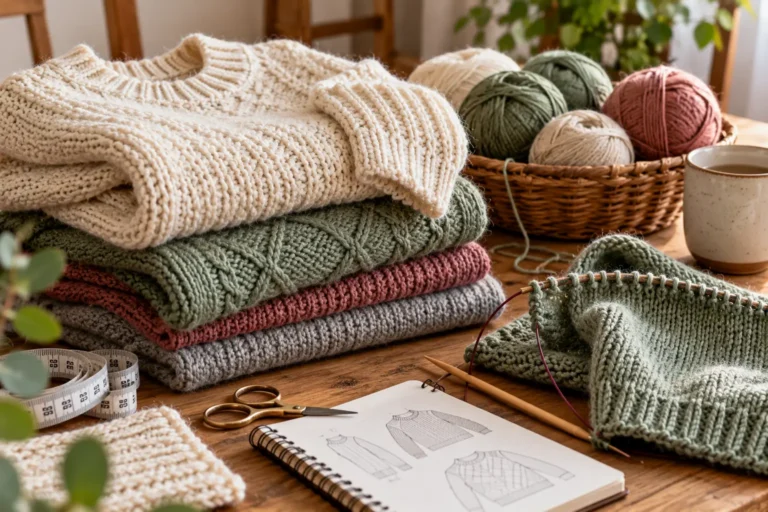
Looking for an easy knitting project to start with? These easy knitting patterns for beginners are a great way to build confidence while creating useful and beautiful handmade projects. From simple scarves and hats to small accessories, beginner-friendly knitting projects can help you practice essential techniques without feeling overwhelmed.
Whether you’re learning your first stitches or returning to knitting after a break, choosing a simple pattern can make the experience more enjoyable. Start with a project that matches your current skill level, gather the recommended materials, and work through each step at your own pace.
What Makes a Easy Knitting Patterns Beginner-Friendly?
A beginner-friendly knitting pattern usually uses basic stitches, simple shaping, and clear instructions. Projects with straightforward construction can help new knitters focus on learning rather than managing complicated techniques.
When choosing a pattern, look for a project that clearly explains the required stitches, yarn weight, needle size, and finished measurements. A pattern that matches your current skills can also help you build confidence for more advanced projects later.
Easy Knitting Projects to Start With
Simple projects are a great way to practice the basic techniques used in many knitting patterns. Smaller or straightforward projects can help you become comfortable with your needles, yarn, tension, and pattern instructions.
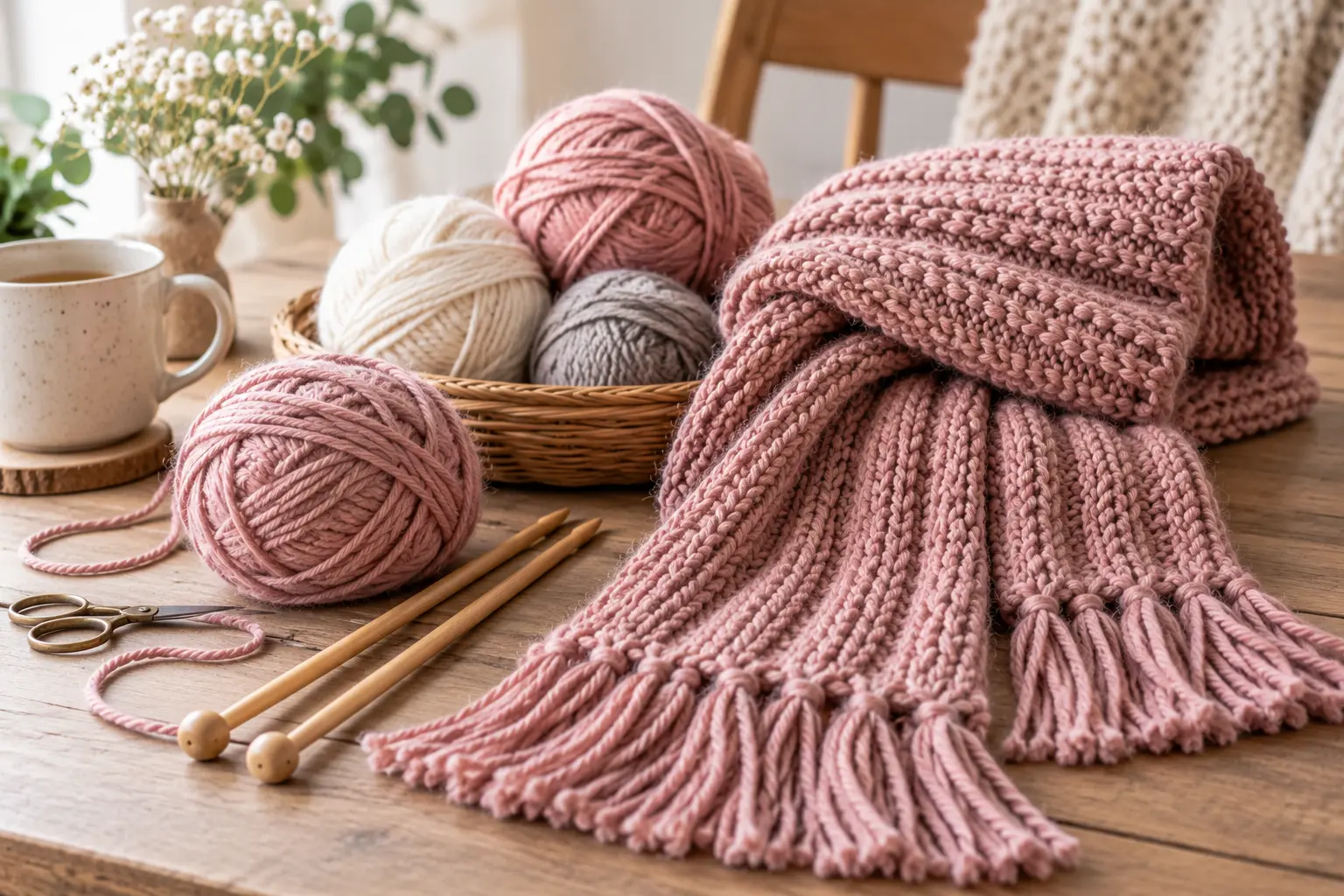
Easy Scarf Knitting Patterns
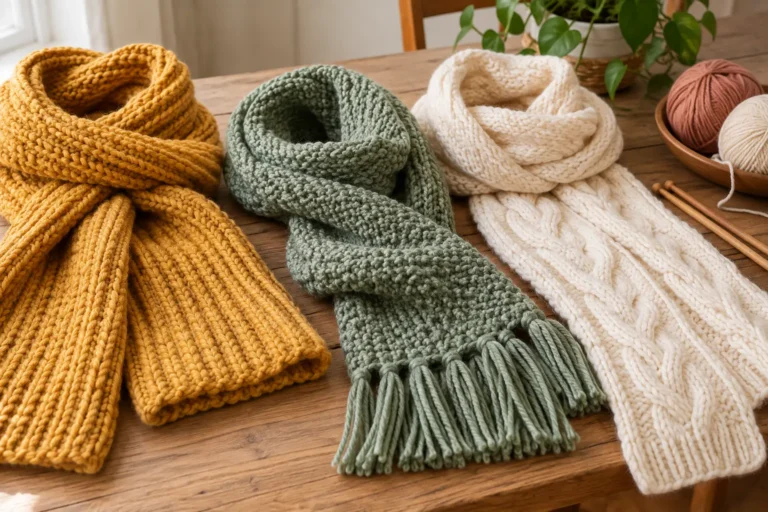
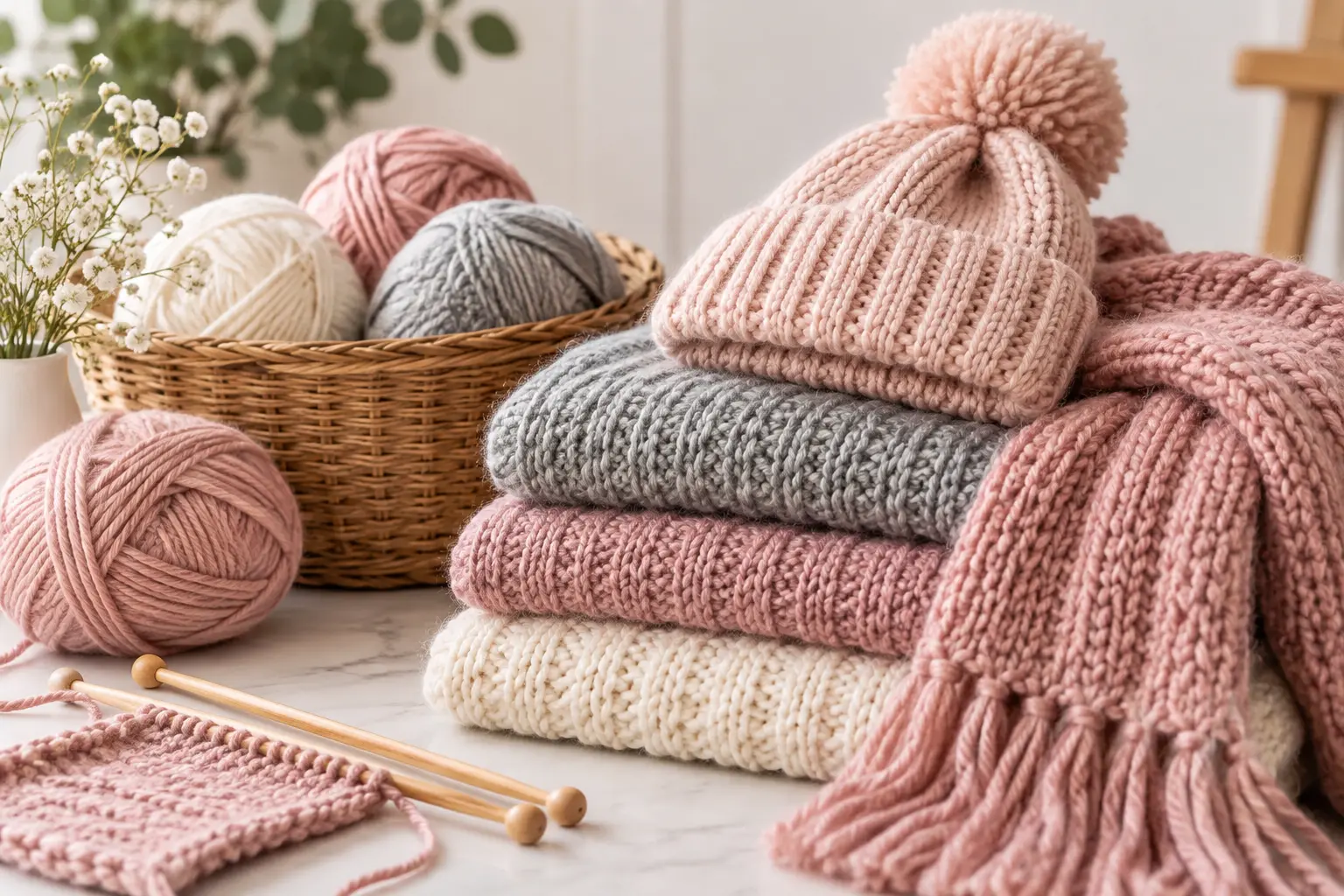
Scarves are a popular starting point because they can be made with simple stitches and basic construction. A straightforward scarf pattern gives beginners plenty of opportunity to practice maintaining an even tension while becoming more comfortable with their needles.
A simple scarf can also be adapted to different yarn colors and textures, making it easy to create a project that suits your personal style.
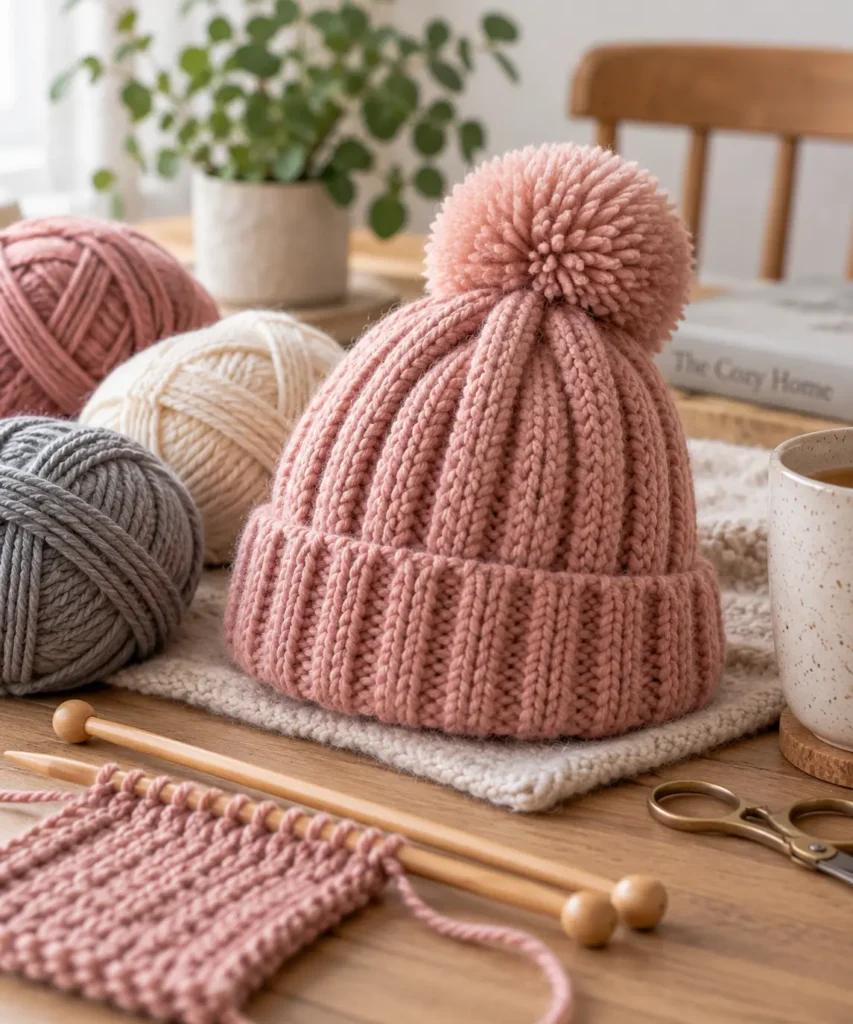
Easy Hat Knitting Patterns
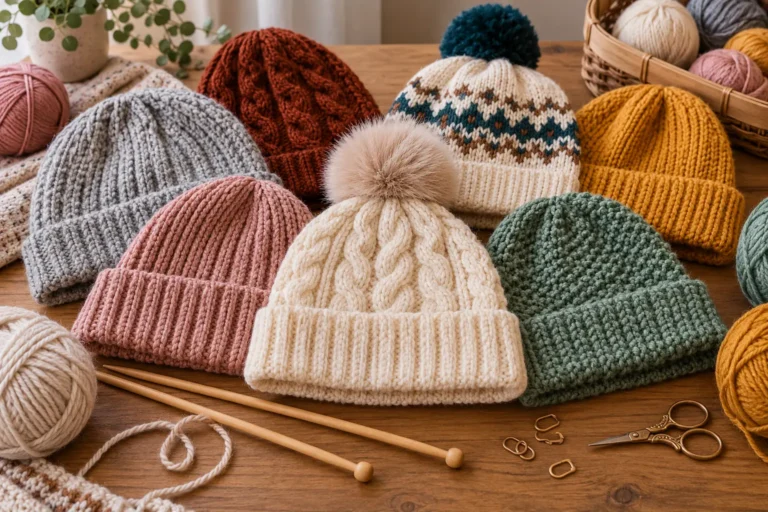
Beginner-friendly hat patterns can introduce a few new techniques while keeping the overall project manageable. Look for patterns with clear instructions and simple construction before moving on to more advanced designs.
Hats can also be useful for learning how shaping works in a knitted project, especially when a pattern gradually decreases stitches toward the top.
Simple Knitted Accessories
Small knitted accessories can be a good choice when you’re still learning. Simple headbands, cowls, and similar projects can help you practice basic stitches while finishing a project in less time than a larger garment.
These smaller projects can also be useful when you want to experiment with a new yarn without committing to a large project.
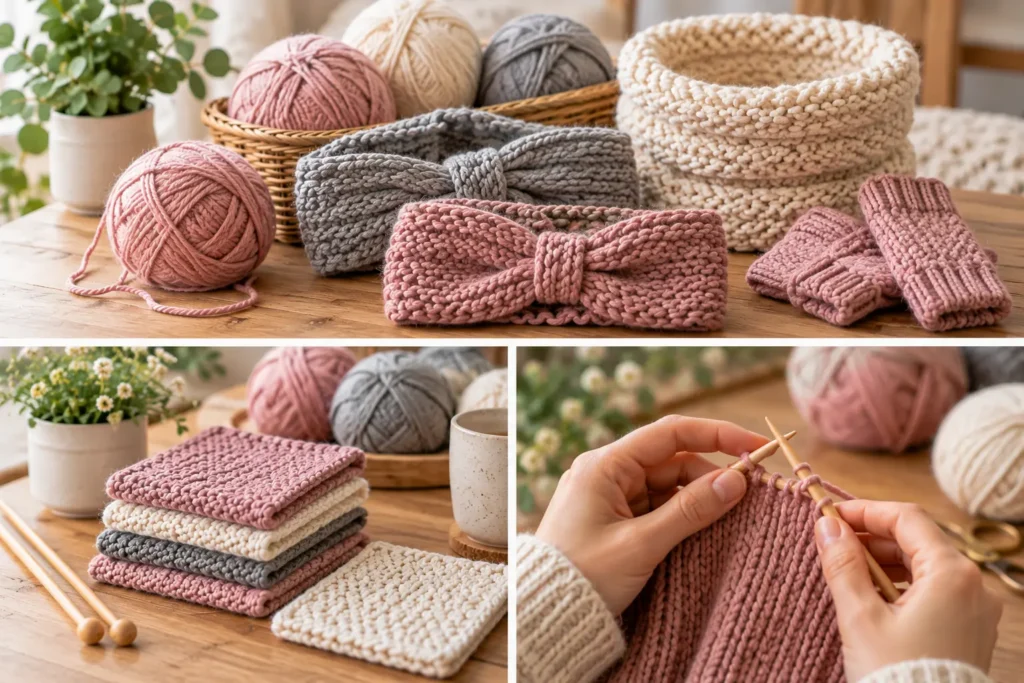
Easy Small Knitting Projects
Small knitting projects are useful for practicing new techniques without committing to a large project. Simple items such as dishcloths, coasters, and small handmade gifts can give beginners a chance to practice basic stitches and straightforward construction.
Knitting Skills Beginners Should Know
Before starting your first knitting project, it helps to become familiar with a few basic techniques. These skills appear in many beginner-friendly patterns and can make following instructions much easier.
Casting On
Casting on creates the first row of stitches on your needle. There are several casting-on methods, but beginners can start with a simple method and practice creating stitches with an even tension.
Knit Stitch
The knit stitch is one of the most fundamental knitting techniques. Practicing it regularly can help you develop consistent tension and become more comfortable handling your needles and yarn.
Purl Stitch
The purl stitch is another essential technique used in many knitting patterns. Once you are comfortable with both knit and purl stitches, you can create a wider variety of textures and stitch patterns.
Binding Off
Binding off finishes the final row and secures your stitches so the project does not unravel. Follow the pattern instructions carefully and keep the finished edge comfortably loose.
How to Choose an Easy Knitting Pattern
Choosing the right project can make your first knitting experience much easier. Before starting, look at the difficulty level, yarn requirements, needle size, finished measurements, and techniques used in the pattern.
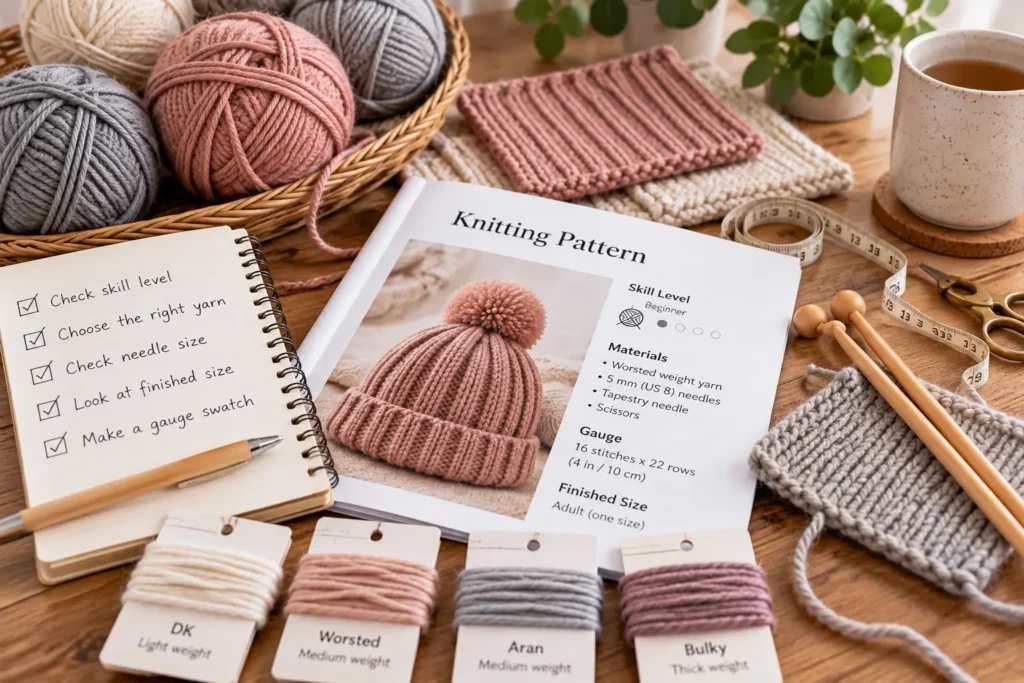
Check the Skill Level
Look for patterns labeled beginner or easy if you’re still learning the basics. A simple pattern allows you to focus on practicing your stitches instead of managing complicated construction.
Choose the Right Yarn
Check the recommended yarn weight and fiber listed in the pattern. Using a similar yarn weight can make it easier to achieve the intended fabric and finished size.
If you’re substituting yarn, pay attention to the recommended gauge and finished measurements rather than choosing yarn based only on its appearance.
Check the Needle Size
Knitting patterns normally recommend a needle size based on the yarn and the desired fabric. Always check the pattern requirements before starting your project.
The same yarn can produce different fabrics depending on the needle size and your individual knitting tension.
Make a Gauge Swatch
A gauge swatch can help you check whether your stitches and rows match the pattern’s recommended gauge. This is especially important when the finished size needs to be accurate.
Although making a swatch may feel like an extra step, it can save time by helping you identify gauge differences before starting the complete project.
Tips for Your First Knitting Project
Keep these simple tips in mind when starting a new project:
- Start with a pattern that matches your current skill level.
- Read the complete pattern before beginning.
- Check your yarn weight and needle size.
- Practice unfamiliar stitches before starting the project.
- Keep your tension as even as possible.
- Count your stitches regularly.
- Keep track of your rows when necessary.
- Take your time with finishing and binding off.
Common Beginner Knitting Mistakes
Learning to knit takes practice, and small mistakes are a normal part of learning. Understanding common problems can help you recognize them and improve with each project.
Losing or Adding Stitches
Accidentally adding or dropping stitches can change the shape of your project. Counting your stitches regularly can help you notice a problem early.
Uneven Tension
Beginners often find that some stitches are tighter or looser than others. With practice, your tension will usually become more consistent.
Choosing the Wrong Yarn Weight
Using a significantly different yarn weight from the pattern can affect the finished size and fabric. Check the pattern recommendations before choosing a substitute.
Skipping Pattern Instructions
Even simple patterns can contain important details about shaping, gauge, or finishing. Reading the complete instructions before starting can help prevent avoidable mistakes.
Forgetting to Check Gauge
Gauge can affect the final size of a project. When a pattern provides a gauge measurement, making a swatch can help you determine whether your tension is close to the recommendation.
Frequently Asked Questions
What is the easiest thing to knit for a beginner?
A simple scarf can be a practical first project because it can use basic stitches and straightforward construction. Small accessories and simple dishcloths can also be good options.
What should a beginner knit first?
Beginners can start with a simple scarf, dishcloth, headband, or another small project that uses basic knitting techniques. Choose something that matches your current experience and that you will enjoy making.
How do I choose a beginner knitting pattern?
Choose a pattern with a beginner-friendly difficulty level, clear instructions, simple construction, and yarn and needle requirements that are easy for you to follow.
Do I need to know both knit and purl stitches?
Not necessarily. Some beginner projects use only the knit stitch, while learning both knit and purl stitches gives you more options for future knitting patterns.
Conclusion
Starting with an easy knitting pattern can help you build confidence while learning the basic techniques you’ll use in future projects. Choose a project that matches your current skill level, check the recommended materials, and take your time as you work through each step.
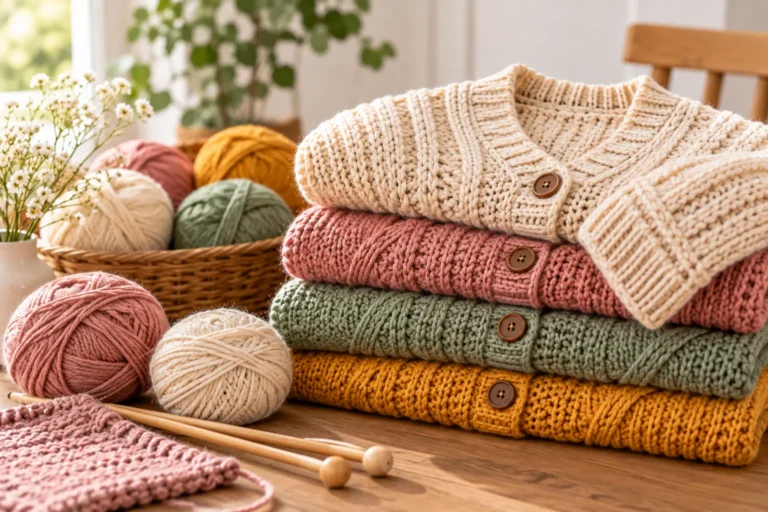
With practice, simple projects can help you become more comfortable with knitting and prepare you to explore sweaters, accessories, baby projects, and more advanced patterns.
If you’re looking for more ideas, explore our Knitting Patterns collection for additional projects and inspiration.