15 Fair Isle Knitting Patterns to Try

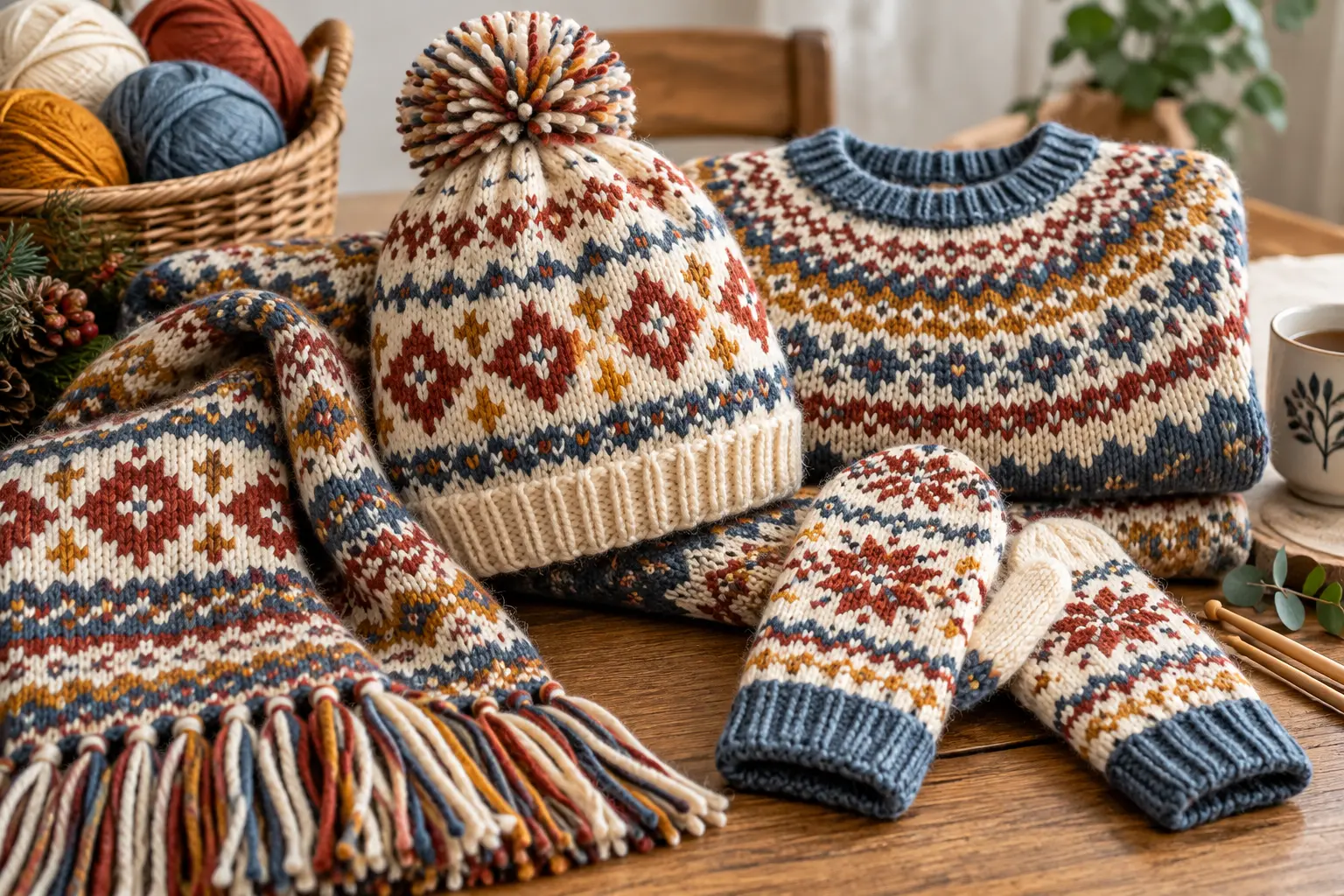
Fair Isle knitting is a beautiful way to add color and personality to handmade projects. By combining contrasting yarn colors in repeating motifs, knitters can create everything from traditional geometric designs to modern accessories and cozy garments.
If you are searching for Fair Isle knitting patterns, there are many project styles to explore. A small colorwork accessory can be a manageable introduction to the technique, while a patterned sweater or cardigan offers a larger project for knitters who are comfortable following charts and managing multiple yarn colors.
In this guide, we’ll look at 15 Fair Isle knitting pattern ideas, explain how to choose a suitable project, and share practical tips for working with stranded colorwork.
What Is Fair Isle Knitting?
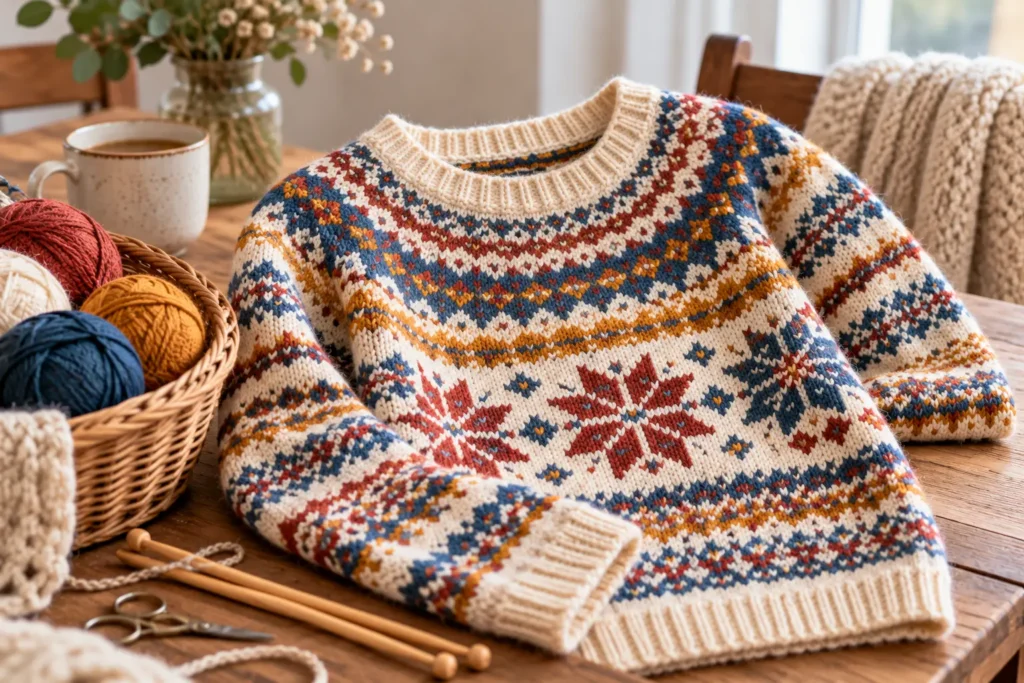
Fair Isle knitting is associated with the Shetland island of Fair Isle in Scotland. The technique is known for using contrasting colors to create repeating patterns across knitted fabric.
In stranded colorwork, the yarn that is not being used for a particular stitch is carried along the back of the work. These carried strands are often called floats. Many traditional designs use small repeating motifs, while contemporary colorwork patterns explore a wide range of shapes and color combinations.
Fair Isle is often worked with two colors in a round or row, although patterns can use additional colors across different rounds or sections. The key is to follow the chart carefully and keep the carried yarn loose enough for the fabric to stretch comfortably.
15 Fair Isle Knitting Patterns to Try
These ideas cover a range of project types and design styles. They are pattern inspirations rather than 15 individually verified free patterns, so check the linked pattern collections near the end of this article when you are ready to choose a specific design.
1. Classic Fair Isle Beanie
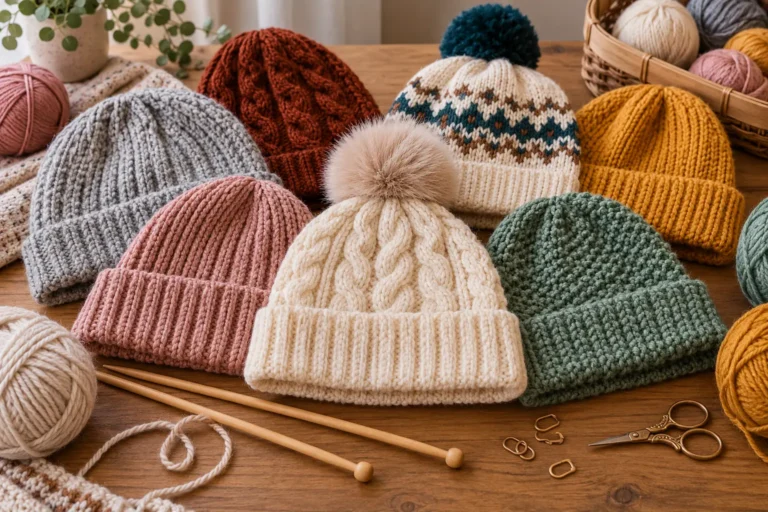
A Fair Isle beanie is a practical project for exploring stranded colorwork. A simple ribbed brim can lead into a band of repeating diamonds, stars, or small geometric motifs.
Choose two contrasting colors for your first attempt. Once you are comfortable keeping the floats even, you can experiment with additional shades or more intricate chart repeats.
Skill level: Beginner to intermediate, depending on the chart Best for: A small, wearable colorwork project
2. Traditional Fair Isle Sweater
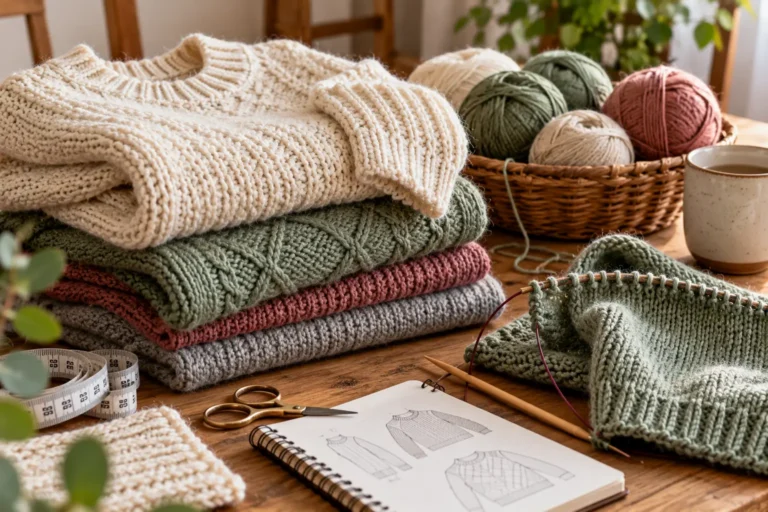
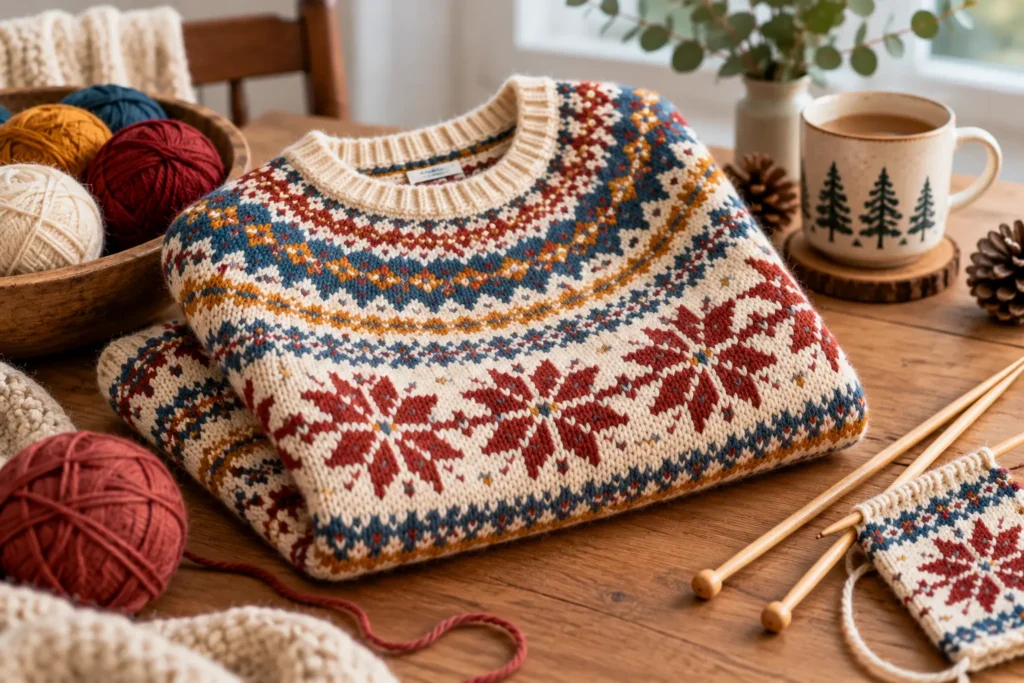
A traditional Fair Isle sweater often features repeating motifs around the yoke, chest, or sleeves. The patterned section can become the main visual feature, while the rest of the garment uses a simple stitch.
Before choosing a sweater pattern, check the construction, size range, yarn requirements, and chart complexity. A sweater involves more shaping and fitting than a small accessory, so it helps to be comfortable reading knitting instructions.
Skill level: Intermediate Best for: A statement garment with classic colorwork
3. Fair Isle Cardigan
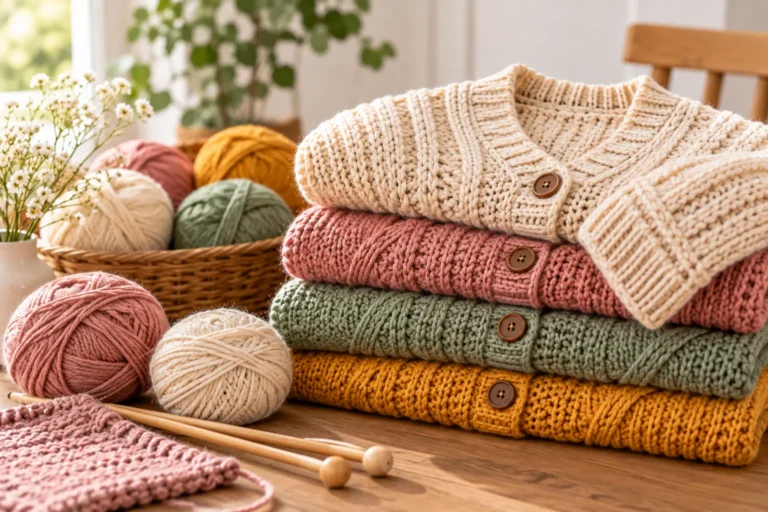
A Fair Isle cardigan can feature colorwork around the yoke, across the front, or along the sleeves. Some designs use a narrow patterned band, while others incorporate motifs throughout much of the garment.
Pay attention to how the pattern handles the front opening and button bands. If the design is worked flat, the chart instructions may differ from those used for a sweater knitted in the round.
Skill level: Intermediate Best for: Layering and everyday wear
4. Fair Isle Mittens
Mittens are a useful way to practise small repeating motifs. A simple design might feature a band around the cuff or a pattern across the back of the hand, with a plain palm.
Because mittens need to fit comfortably, check the finished measurements and gauge. Colorwork can make fabric less stretchy than plain knitting, so the pattern’s sizing instructions matter.
Skill level: Beginner to intermediate Best for: Small accessories and winter gifts
5. Fair Isle Fingerless Mitts
Fingerless mitts offer a smaller alternative to full mittens. They can feature a narrow colorwork band around the wrist or a larger motif across the hand.
Look for a design with a straightforward opening for the thumb. If you are new to stranded knitting, a short repeating chart can help you practise without managing a large project.
Skill level: Beginner to intermediate Best for: Practising colorwork on a compact project
6. Fair Isle Scarf
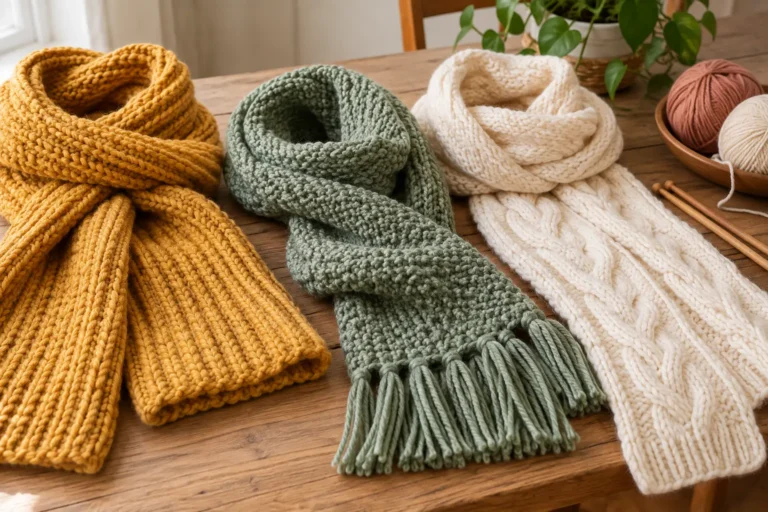
A Fair Isle scarf can use repeating motifs along its length or a decorative panel running through the center. Since scarves are usually worked in rows, they can be a useful way to learn how to manage color changes across flat fabric.
Consider the reverse side when choosing a pattern. Stranded colorwork creates floats on the back, so a scarf design may include a lining, a folded construction, or a pattern that makes the reverse side part of the finished look.
Skill level: Intermediate Best for: Long, repeating colorwork motifs
7. Fair Isle Cowl
A cowl is a compact accessory that can be worked in the round, depending on the pattern. This makes it possible to create a continuous band of motifs without a traditional scarf’s long edges.
Choose a design with a repeat that fits the circumference. Check whether the pattern is written for circular needles and whether the recommended yarn creates a comfortable fabric around the neck.
Skill level: Beginner to intermediate Best for: A compact, circular colorwork project
8. Fair Isle Headband
A knitted headband can feature a narrow geometric motif across the front. Because it uses less yarn than a sweater or scarf, it can be a manageable way to try a new chart.
Check how the headband is constructed. Some patterns are worked flat and seamed, while others are knitted in the round. The finished circumference and stretch are important for a comfortable fit.
Skill level: Beginner to intermediate Best for: A small project with a decorative focal point
9. Fair Isle Socks
Fair Isle socks often feature a patterned leg or a motif across the top of the foot. A design with a plain heel and sole can keep the colorwork concentrated in one area.
Sock patterns require careful attention to gauge and fit. Make sure the stranded fabric remains comfortable and that the pattern explains how to handle the heel, gusset, and toe.
Skill level: Intermediate Best for: Detailed colorwork in a small garment
10. Fair Isle Baby Sweater
A baby sweater can feature a small motif around the yoke or a patterned band across the body. The smaller garment size may mean less knitting overall, although shaping and finishing still require care.
Check the pattern’s size range and yarn recommendations. If the sweater is intended for frequent washing, choose a suitable yarn and follow the care instructions.
Skill level: Intermediate Best for: A small garment with decorative colorwork
11. Fair Isle Christmas Stocking
A knitted Christmas stocking can use festive motifs such as stars, trees, snowflakes, or geometric bands. A simple background color helps the motifs stand out.
Stockings are also useful for experimenting with color combinations. Before starting, check the pattern’s finished dimensions and whether the heel and toe are worked in a contrasting color.
Skill level: Beginner to intermediate Best for: Seasonal knitting and handmade decorations
12. Fair Isle Cushion Cover
A cushion cover allows you to use a larger colorwork motif without needing to shape a garment. Geometric repeats, diamonds, and traditional bands can create a decorative surface for a home accessory.
Consider how the finished piece will be assembled. Some patterns use two knitted panels, while others use a folded piece or a separate backing. Check the dimensions against your cushion insert.
Skill level: Intermediate Best for: Home décor and larger motifs
13. Fair Isle Tea Cosy
A tea cosy is a small home project that can feature a simple two-color pattern. Its compact size makes it suitable for experimenting with a repeating motif before moving on to a larger garment.
Look for a pattern that explains the shaping around the handle and spout. The finished cosy should fit the intended teapot without stretching the colorwork too tightly.
Skill level: Beginner to intermediate Best for: A small, practical colorwork project
14. Fair Isle Christmas Ornament
Small knitted ornaments can feature stars, stripes, or miniature geometric motifs. Since the project is compact, it can be a way to practise chart reading and color changes with a limited amount of yarn.
Check the pattern’s construction and finishing instructions. Some ornaments are knitted flat and seamed, while others are worked in the round and shaped.
Skill level: Beginner to intermediate Best for: Small gifts and seasonal decorations
15. Modern Geometric Fair Isle Vest
A vest with geometric colorwork can combine a simple garment shape with a bold patterned panel. Repeating diamonds, squares, or stepped motifs can create a contemporary look while keeping the design structured.
Because a vest requires attention to chest measurements, armholes, and neckline shaping, choose a pattern that clearly explains the size options and construction.
Skill level: Intermediate Best for: A larger project with a modern colorwork style
Where to Find Fair Isle Knitting Patterns
When you are ready to choose a specific project, these collections are useful places to explore. Check each pattern page for its current availability, skill level, yarn requirements, and instructions.
- AllFreeKnitting: 17 Fair Isle Knitting Patterns — a collection of Fair Isle project ideas for different skill levels.
AllFreeKnitting.com
- Christine Britton: 18 Free Fair Isle Knitting Patterns — a roundup that includes different project types and chart-based designs.
christinebritton.com
- Let’s Knit: Beginner Pastel Fair Isle Teacosy — a beginner-level tea cosy pattern that lists Fair Isle among its techniques.
Let’s Knit Magazine
- Simply Yarn: Fair Isle Knitting Guide — a guide with beginner project ideas and links to small Fair Isle projects.
Simply Yarn
Pattern availability and access requirements can change, so confirm the details on the pattern page before starting.
How to Choose the Right Fair Isle Knitting Pattern
Fair Isle designs can look complicated, but choosing a project that matches your experience can make the process more manageable.
Start with a Simple Chart
If you are new to colorwork, look for a chart with a small repeating motif and only two colors in a row or round. A project with little shaping allows you to focus on the color changes and your tension.
A hat, headband, or small tea cosy can be a more manageable first project than a fitted sweater.
Choose Colors with Clear Contrast
The motif needs to stand out against the background. Two colors that are very similar in brightness may blend together, even if their hues are different.
Before casting on, place the yarns next to each other in natural light. If the pattern is difficult to distinguish, try a lighter background with a darker contrast color, or the reverse.
Check the Pattern’s Gauge
Stranded colorwork can affect the way your fabric stretches and the number of stitches that fit into a given measurement. Make a gauge swatch using the actual colorwork pattern, not only a plain stockinette section.
If the fabric is too tight, the finished item may be smaller or less flexible than expected. Adjusting needle size may help, but always follow the pattern’s guidance.
Consider the Floats
The unused yarn travels across the back of the work as a float. If the floats are too tight, the fabric may pucker and lose stretch. If they are excessively loose, they can catch on fingers or other objects.
Spread the stitches along the needle before carrying the yarn across the back. This gives the float enough room to accommodate the width of the stitches.
Choose a Project with Manageable Shaping
A simple tube-shaped cowl or a straightforward hat lets you concentrate on the colorwork. Sweaters, socks, and mittens introduce shaping that requires additional attention.
If you choose a garment, read the construction instructions before beginning so you understand where the colorwork and shaping happen.
Essential Materials for Fair Isle Knitting
Your pattern will specify the exact yarn and needles, but most projects require a few basic supplies.
| Material | What to look for |
|---|---|
| Main-color yarn | The background shade in the chart |
| Contrast yarn | A shade that makes the motif easy to see |
| Knitting needles | The size and type specified by the pattern |
| Stitch markers | Useful for marking repeats or the start of a round |
| Tapestry needle | For weaving in yarn ends |
| Row counter | Helpful for tracking chart rows |
For your first project, use yarns of a similar weight and fibre so they behave consistently in the finished fabric. Check the care instructions if the project will need regular washing.
Common Fair Isle Knitting Mistakes
Pulling the Floats Too Tight
Tight floats can cause the fabric to pucker and make it difficult to stretch. Keep the carried yarn relaxed, and spread the stitches on the needle before changing colors.
Losing Track of the Chart
Colorwork charts can be difficult to follow if you lose your place. Use a row counter, a removable chart marker, or a printed copy where you can mark each completed row.
Choosing Colors with Too Little Contrast
If the background and motif colors look too similar, the pattern may be hard to see. Compare the yarns together before starting and choose shades that create a clear visual difference.
Ignoring Gauge
A colorwork swatch may behave differently from a plain knitted swatch. Check your gauge using the actual motif so you can better estimate the finished size and fabric.
Starting with a Complicated Project
A large sweater with multiple charts and shaping can be challenging as a first colorwork project. Starting with a smaller accessory gives you an opportunity to practise the technique before moving on to a larger design.
Fair Isle Knitting vs. Other Colorwork
Fair Isle is one form of knitted colorwork, but not every multicolored knitting pattern uses the same method.
| Technique | How it works |
|---|---|
| Fair Isle / stranded colorwork | Unused yarn is carried across the back of the fabric |
| Intarsia | Separate sections of color are worked with separate yarn sources |
| Stripes | Colors change between rows or rounds |
| Mosaic knitting | Colors are often worked one at a time, using slipped stitches to create patterns |
These techniques create different fabric structures and require different approaches to yarn management. If you are choosing a pattern, check which method it uses rather than assuming all colorwork is worked the same way.
Frequently Asked Questions
Is Fair Isle knitting suitable for beginners?
Yes, beginners can try Fair Isle with a simple pattern, especially one that uses a small repeating motif and two colors. A small accessory can be a manageable introduction before moving on to garments with more shaping.
How many colors are used in Fair Isle knitting?
Many traditional Fair Isle patterns use two colors in a row or round, with different colors introduced across the design. Some modern projects use additional colors in separate sections. Follow the chart and yarn instructions for the specific pattern.
What is the difference between Fair Isle and stranded knitting?
Fair Isle is a traditional style associated with the Shetland island of Fair Isle. Stranded knitting describes the technique of carrying unused yarn across the back of the work. The terms are often used together, although not every stranded colorwork design is a traditional Fair Isle pattern.
What is the easiest Fair Isle project to make?
A small hat, headband, tea cosy, or ornament with a simple repeating chart can be a useful starting point. Choose a pattern with clear instructions and minimal shaping.
Why does my Fair Isle knitting pucker?
Puckering often happens when the carried yarn is too tight. Spread the stitches along the needle before carrying the unused color across the back, and check the fabric’s stretch as you work.
Do I need special needles for Fair Isle knitting?
Usually, you can use the needle type specified by the pattern. Circular needles are common for projects worked in the round, while straight needles may be used for flat pieces. The important thing is to use the recommended size and achieve the correct gauge.
Final Thoughts
Fair Isle knitting patterns offer many ways to bring color and texture into handmade projects. Whether you choose a classic beanie, a patterned sweater, a pair of mittens, or a small home accessory, the right design can help you explore stranded colorwork at your own pace.
Start with a pattern that matches your experience, choose yarn colors with clear contrast, and take time to check your gauge and tension. Once you become comfortable reading the charts and managing the floats, you can explore more detailed motifs and larger projects.
For more inspiration, explore our Knitting Patterns collection, discover 15 Knit Sweater Patterns for Every Skill Level , or browse 15 Free Knit Hat Patterns for Beginners and Beyond .